A Meaningful Step to Make Persons with Disabilities Self-Reliant Through Skills
Madhya Pradesh is helping visually and hearing-impaired people and others with disabilities become self-reliant through free ITI admission, stipends, the Niramaya health insurance scheme, artificial limbs and free coaching for competitive exams.
A meaningful effort is under way in the state to make visually impaired, hearing-impaired and other persons with disabilities self-reliant through skill development, for their welfare and progress. Several new schemes have been started for them. Special campaigns for training and rehabilitation are helping visually and hearing-impaired students stand on their own feet, combining education with vocational training.
Admission to industrial training institutes
A special drive was run in the state to admit hearing- and visually-impaired persons to vocational courses. In the 2016-17 academic session, candidates with disabilities got a golden opportunity to join the industrial training institutes (ITIs) at the state's seven divisional headquarters. Notably, it was decided to give hearing- and visually-impaired students free admission to ITIs, and they receive a stipend of Rs 2,000 a month.
Admission to ITIs for candidates with disabilities was made online. Those unable to apply online were allowed to come in person with the necessary documents and take part in the admission process. To make it easier for them, travel expenses are reimbursed.
For persons who are fully (100 per cent) hearing-impaired, 21 seats each have been fixed in these trades: fitter and welder at the ITI in Gwalior and dress-making at its women's ITI; electrician and welder in Ujjain; fashion design technology in Indore; fitter and welder in Bhopal; fitter, diesel mechanic and welder in Sagar; welder in Rewa, and fashion design technology at the women's ITI in Rewa. In addition, the ITI for the disabled in Indore has 26 seats each in computer operator and programming assistant and in carpentry, and Jabalpur has 16 seats in the turner trade.
For fully hearing-impaired candidates, 26 seats each have been set aside in the computer operator and programming assistant trade at the ITIs in Ujjain, Bhopal, Jabalpur and Rewa. The skill development department also decided that seats left vacant after admission of fully hearing- and visually-impaired candidates by 25 July would be offered to applicants whose disability is below 100 per cent, through college-level counselling.
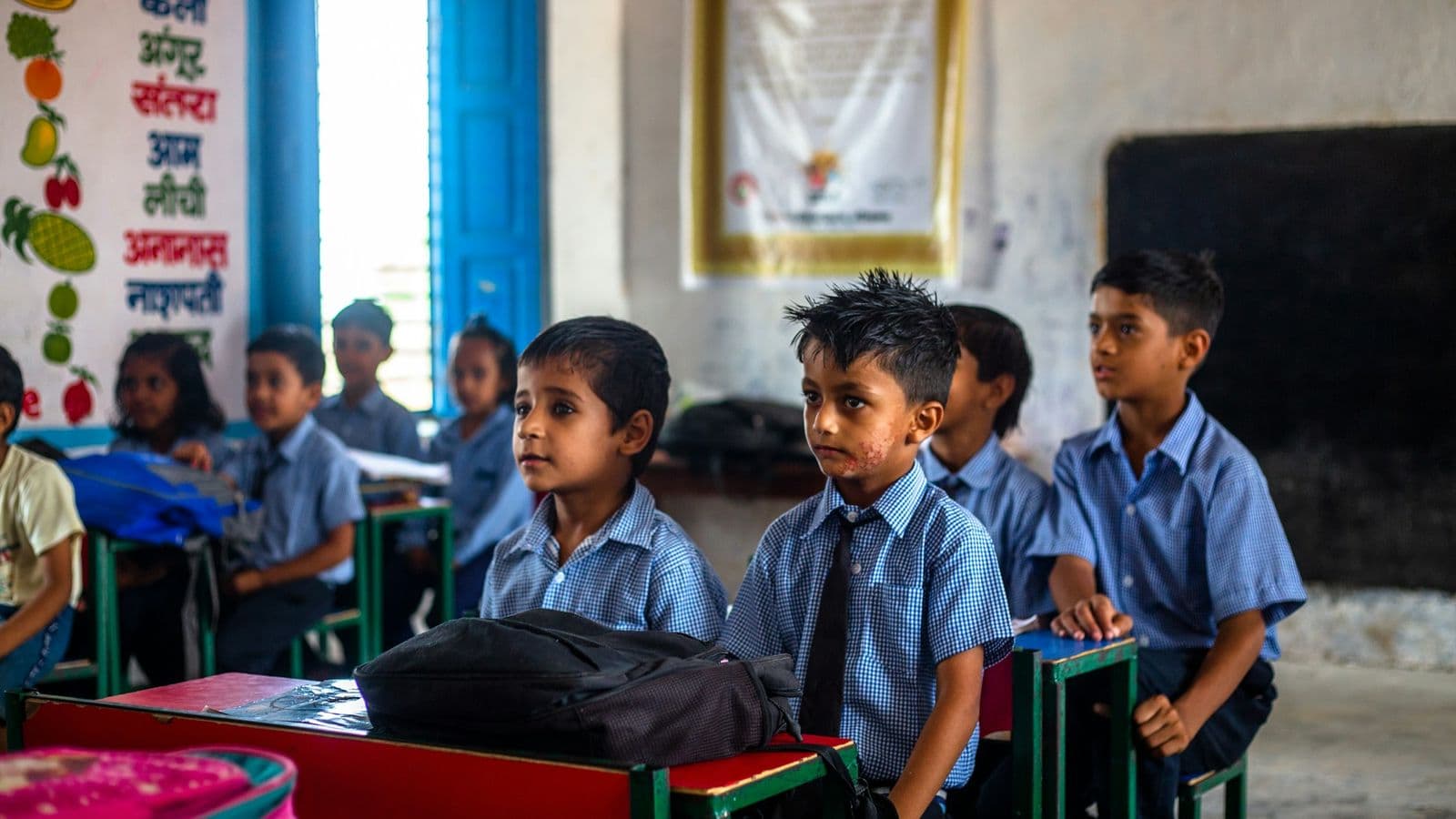
In the 2016-17 session, 178 visually impaired and 230 hearing-impaired students - 408 in all - were admitted to various trades at the ITIs of the seven divisional headquarters for education, training and rehabilitation. To give them the best possible teaching, 12 sign-language interpreters have been appointed at these ITIs for hearing-impaired students, and they are helping them learn across trades.
The Madhya Pradesh government has provided a budget of Rs 973.88 lakh to ITIs for the education, training and rehabilitation of hearing- and visually-impaired students, who are now studying in various trades.
Admission to D.Ed, PGDCA and DCA
To give persons with disabilities better higher education, the government secured D.Ed. admission in 2016-17 for 617 of them: 99 visually impaired, 31 hearing-impaired and 487 with locomotor disabilities.
The Government Adult Deaf and Mute Training Institute, Indore, enabled 31 persons with disabilities to join PGDCA/DCA courses run by Bhoj Open University in the 2016-17 session.
Niramaya health insurance scheme
The Madhya Pradesh government has introduced the Niramaya health insurance scheme to improve the health and living standards of visually impaired, hearing-impaired and orthopaedically disabled people, those affected by leprosy and people with intellectual disabilities.
The insurance covers the insured person's spouse and two children. Insured persons pay 10 per cent of the annual premium, Rs 355, themselves; the rest is borne by the social justice department, and the service tax by the Government of India. To qualify, the family's annual income must not exceed Rs 3 lakh, and the insured person must be between 18 and 35 years old.
The scheme covers people with autism, cerebral palsy, intellectual disability and multiple disabilities, with insurance cover of Rs 1 lakh. So far, Niramaya health cards have been issued to 55,731 people with multiple disabilities in the state. A lump-sum premium of Rs 2.03 crore was paid from the State Destitute Fund to the National Trust under the Union Ministry of Social Justice and Empowerment.
Distribution of artificial limbs and aids
Section 42 of the Persons with Disabilities (Equal Opportunities, Protection of Rights and Full Participation) Act, 1995, provides for assistive devices and aids for persons with disabilities, to be given to those with 40 per cent or more disability. Last financial year, 162 regular camps and 10 mega camps were held in 45 districts to distribute artificial limbs and aids, and 24,033 persons with disabilities received them.
Skill upgrading
Of 23 institutions empanelled by the Government of India for skill training of persons with disabilities, proposals from 19 have been sent to the state government; inspection of the rest is in progress. These 19 institutions, which have submitted their proposals to the department, will train about 1,500 persons with disabilities.
Scholarship scheme
So that money is never a barrier to higher education, the Government of India has launched pre-matric, post-matric and top-class scholarships for students with disabilities, with targets of 2,664 pre-matric, 965 post-matric and 9 top-class scholarships. The state aims to get about 15,000 students to apply online; by the beginning of September, 1,031 had done so.
Free coaching for competitive exams
To help persons with disabilities succeed in competitive exams, the Government Adult Deaf and Mute Training Institute, Indore, has since last financial year been providing free coaching to persons with all categories of disability through the Vivekanand Coaching Institute, for banking, railway, teacher and other exams. Thirty-nine people have received coaching this year.
SIPDA for persons with disabilities
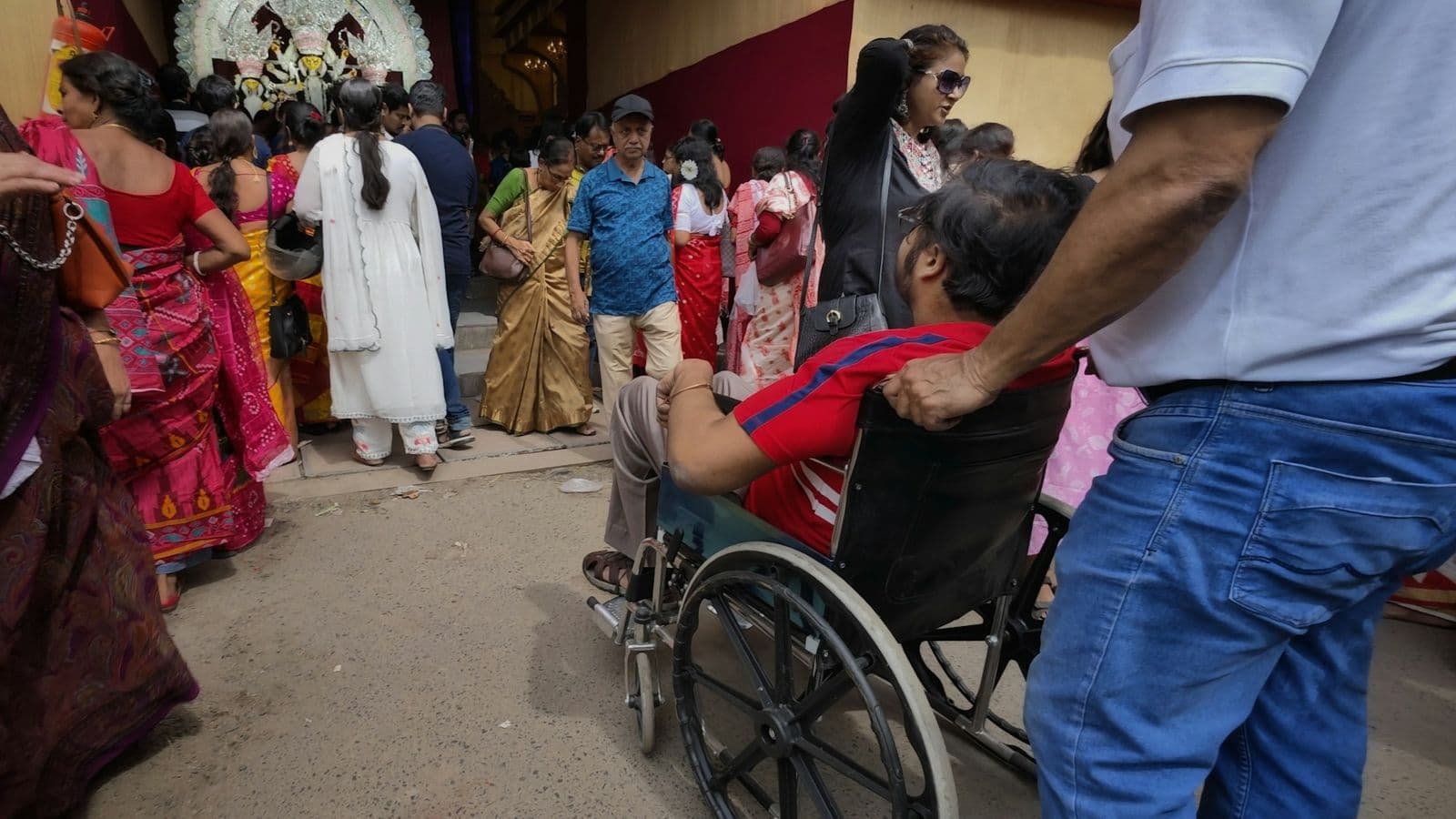
To implement the Persons with Disabilities Act, the Scheme for Implementation of the Persons with Disabilities Act (SIPDA) gives states financial help to make public buildings, secretariats, universities and similar places barrier-free. This includes ramps, lifts, wheelchairs, accessible toilets, Braille signage, signals, tactile flooring and tiles, and engraved crossing markers for the visually impaired. Last financial year, 9 proposals were sent to the Government of India, and Rs 210.19 lakh was sanctioned.