A Woman Needs Equal Opportunity, Not a Crutch
Women's empowerment does not mean setting women against men; it means building a society where a person's gender never limits their opportunities. What women need is equal opportunity, not mere support.

The true measure of a society's development is not just tall buildings, wide roads, modern technology and economic prosperity. A society's progress must also be judged by how much respect, freedom and safety its women enjoy, and how many opportunities they have to move ahead. A society in which half the population cannot rise to its full potential can never be called fully developed.
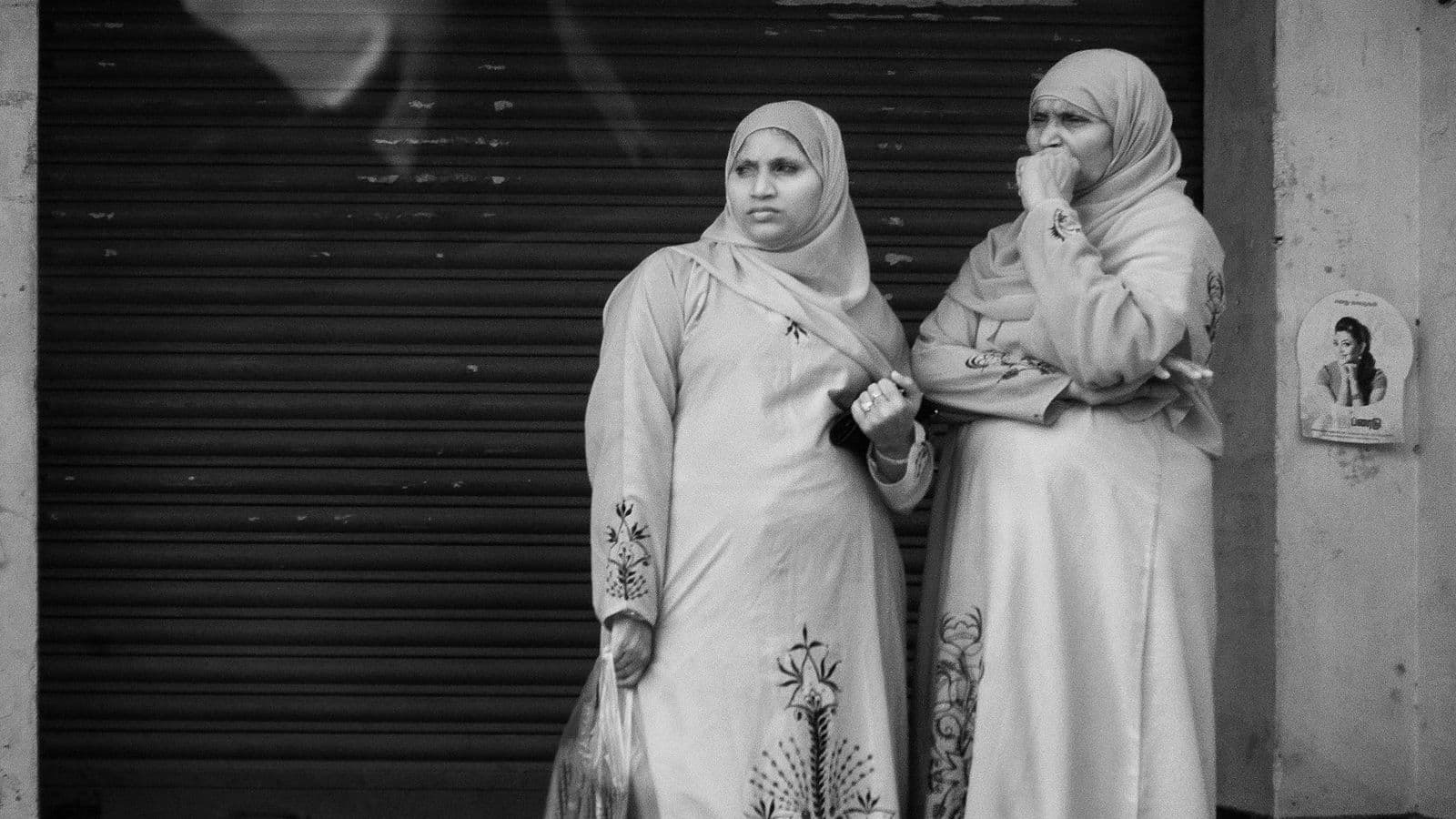
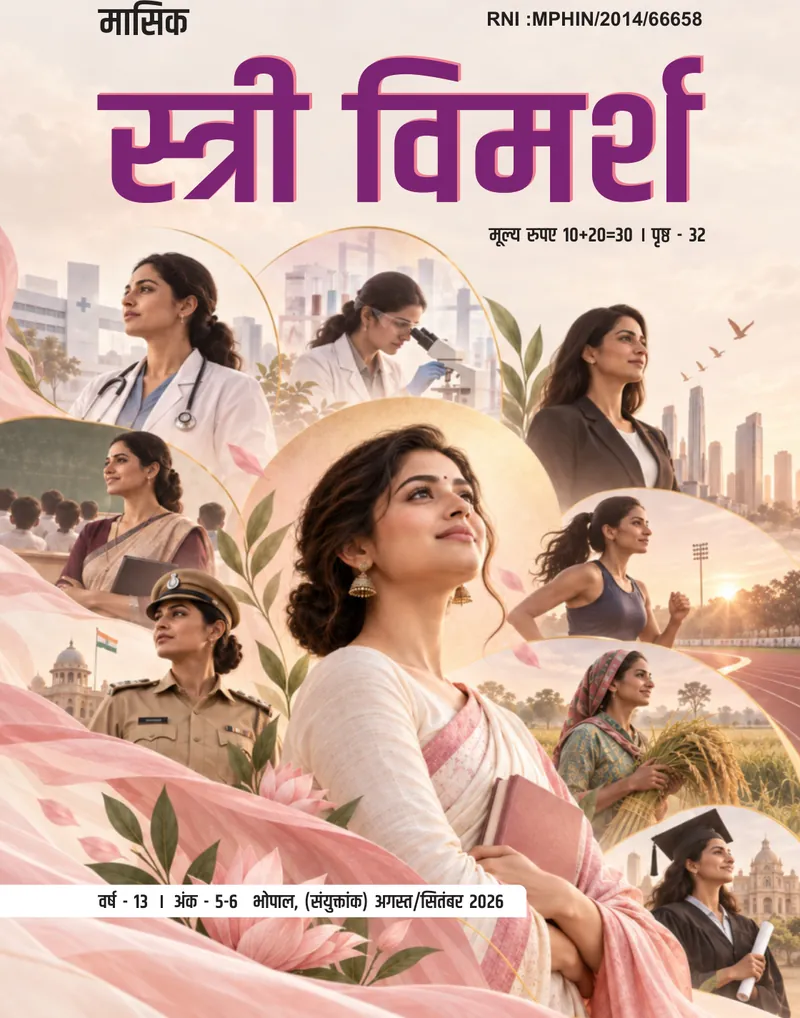
Today's woman is an important picture of a changing India. Stepping out of the four walls of the home, she is making her mark in almost every field — education, employment, business, science, administration, politics, the arts, sport and social service. Alongside her family responsibilities, she is also playing a key role in economic and social decisions. Many women, through their struggle, talent and self-confidence, have achieved things that are becoming an inspiration for generations to come. Yet despite this change, there is another side to the picture. Even today a large number of women are deprived of education, employment, property rights, safe workplaces, health facilities and the chance to make their own decisions. Often the expectations of family and society become bigger than their dreams. Instead of trusting their abilities, people assume all they need is protection and support. It is this mindset that needs to change.
Women's empowerment does not mean pitting women against men. Its real meaning is to build a social order in which both women and men receive equal respect, equal opportunity and the freedom to progress according to their abilities. Equality does not mean identical treatment in every situation; it means creating conditions in which a person's gender does not become the limit of their opportunities.
We must also understand that making a woman self-reliant does not begin merely with giving her a job. It begins with education and the ability to make decisions. An educated, aware woman can make better decisions about her health, career, family and future. Financial independence gives her decisions greater strength, while knowledge of her legal rights enables her to protect them.
The family's role in this is extremely important. Instead of worrying only about keeping daughters safe, we must focus on making them capable. They must be given the confidence that they can choose the career they want, that they can fail, try again, and have their say in the important decisions of their lives. In the same way, sons must be taught from childhood the values of equality, respect and responsibility.
When we discuss women's empowerment there is one more important aspect — a woman's own wishes and her independent identity. Every woman's circumstances are different. For one, career may be the priority; for another, family; for others, business, social service or art. Empowerment does not mean idealising one fixed role, but giving a woman the right to choose her own path.
With this thought, in this issue we have tried to understand the many dimensions of women's lives. From health to career, from family to law, and from struggle to success — this issue is dedicated to all the women who, instead of bowing before circumstances, are writing the story of their lives themselves. What is needed is that we do not merely talk about giving women opportunities, but ensure their real access to those opportunities. If they need support, they should certainly get it, but their whole identity should not depend on that support. They should be protected, but their freedom should not be curtailed. They should be respected, but that respect should not come at the cost of their voice.
Because an empowered woman does not change only her own life; she can change the direction of her family, her society and the generations to come.
A woman is not strong only when she manages everything alone; she is strong too when she has the courage to ask for help when she needs it.
— Sushila Agrahari, Editor